Five phases. Three engagement models. One rule for AI.
Every build follows the same structure: discovery, design, build, validation, rollout. The ranges are known. What decides the fast end is on this page.

From a short note to a system in production.
Discovery
What you run today, what you want from it, and what the data can support.
Design
The data model, the KPIs, the output surface and the governance rules, agreed before any build.
Build
One platform, one core data model, three to five use cases. Logging from the first commit.
Validation
A named decision-maker checks every output against the numbers. Nothing ships on trust.
Rollout
Handover with monitoring, support SLAs (service level agreements) and a quality-review process in place.
Three ways to engage us.
Project
A scoped build with agreed outcomes, a timeline and a handover. Best for a first release, an integration or an automation with a clear finish line.
Dedicated team
Engineers and analysts who work as part of your team on a monthly basis, with your priorities and your tools.
Support and retainer
Monitoring, enhancements and fixes after go-live, with support SLAs (service level agreements), logging and quality review agreed at handover.
Projects are scoped after discovery. Dedicated teams are monthly. Support is a retainer. We quote in writing before any work starts.
Three things decide the fast end of every range.
Data access
Clean, governed sources with access granted on day one.
One person who decides
A named decision-maker who validates each cycle and keeps the build moving.
Scope discipline
One platform, one core data model, three to five high-value use cases first, then phase two.
What an MVP usually includes.
MVP means minimum viable product: the smallest release that is used every day.
- One BI (business intelligence) environment: Power BI or Looker, not both.
- One standardised dataset with core metrics and dimensions.
- Three to five high-value use cases. For example pacing risk, CPA (cost per acquisition) deterioration, ROAS (return on ad spend) decline, budget-shift opportunities, creative fatigue.
- One clear output surface: an insight panel or recommendation cards.
- Logging, output review and monitoring from day one.
The ranges we quote.
| Discovery and architecture | 1 to 2 weeks |
|---|---|
| Custom views and unified reports | 2 to 4 weeks |
| Reporting automation | 1 to 3 weeks |
| AI insight layer MVP on one BI environment | 4 to 8 weeks |
| Assistant or workflow deployments | 4 to 6 weeks |
| OneView™ onboarding (data connections and configuration) | 2 to 3 weeks |
| Custom application first release | scoped after discovery |
Firm timelines are confirmed after discovery. They depend on data readiness, integrations and governance requirements.
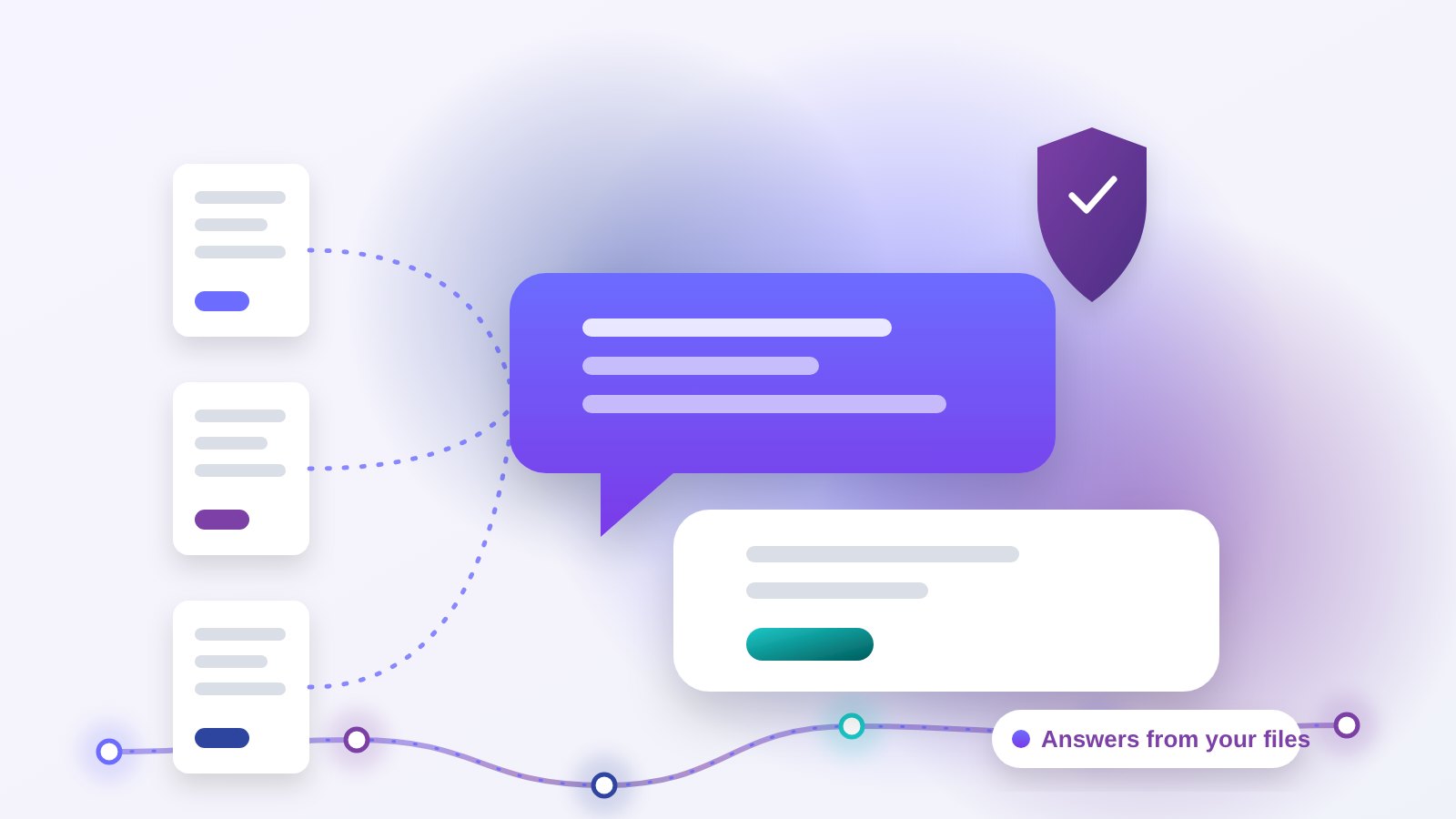
Governed before generative.
Governed before generative. We compute the numbers first, then let the AI explain them. Our systems are co-pilots, not replacements. They explain what changed, why it likely changed and what to do next. A person stays in the loop wherever intelligence touches a commercial decision.
Tell us what you want to build.
A short note is enough: what you run today, what you want to build or fix, and the outcome you want. A senior person replies within one working day.