What a first release of an insight layer contains
The exact scope of a first AI insight layer: one BI environment, one dataset, three to five use cases, one output surface, logging from day one.


The most common way an AI (artificial intelligence) analytics project fails is scope. It tries to cover every platform, every metric and every question on day one. Nothing ships. The second most common way it fails is the opposite: a demo that answers one question well and is never connected to real, governed data.
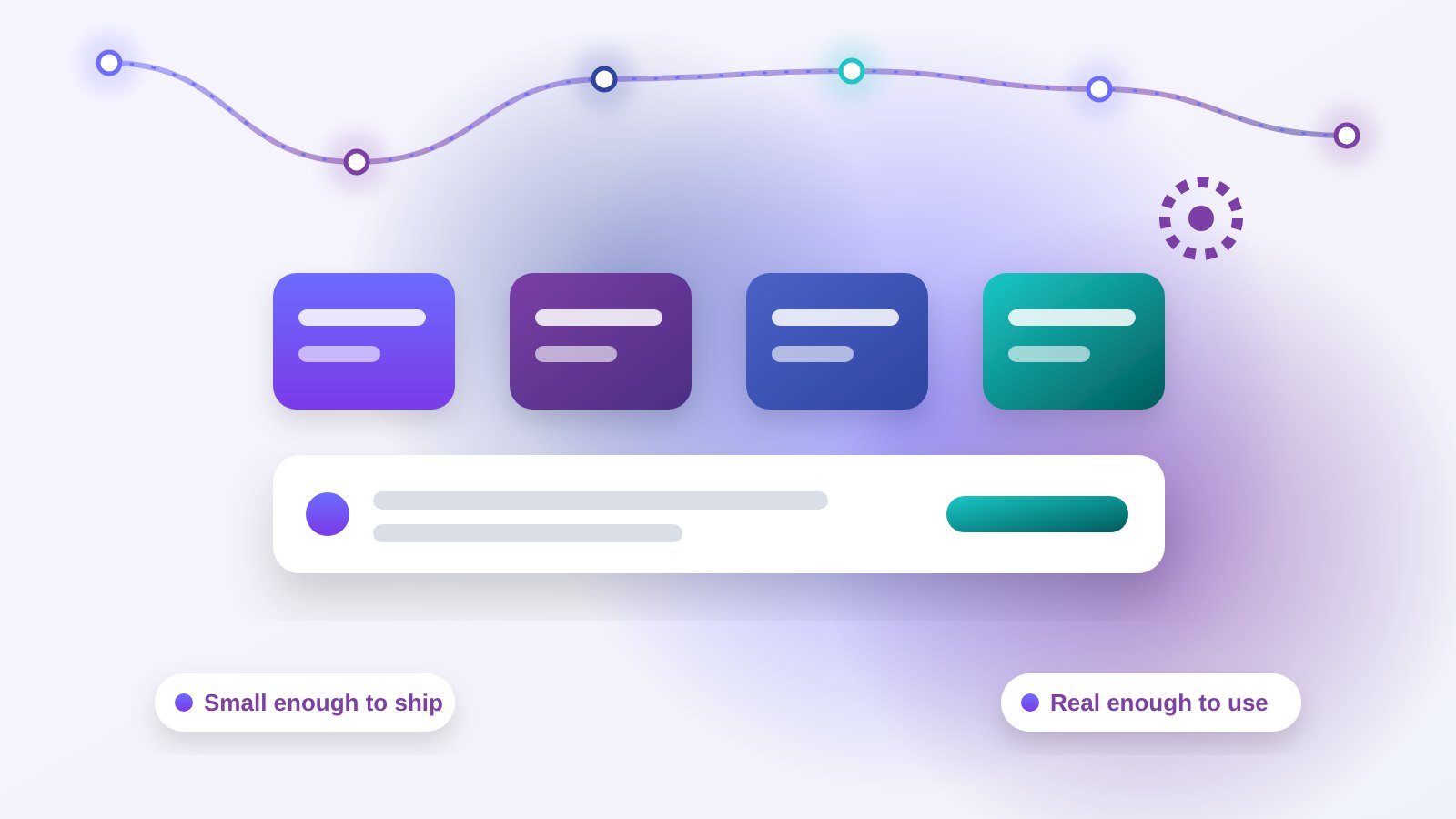
A first release, which we call the MVP (minimum viable product), is designed to avoid both. It is small enough to ship in four to eight weeks and real enough to be used every day.
One BI environment
Power BI or Looker. Not both. The insight layer sits on top of the governed BI (business intelligence) environment you already run. We extend it. We do not replace it. Choosing one environment for the first release removes a whole class of integration work and lets the team focus on the questions that matter.
One standardised dataset
One dataset with the core metrics and dimensions, defined once and agreed with a named decision-maker. Every use case in the first release reads from this dataset. When two reports disagree, it is almost always because they computed their own numbers. One dataset ends that argument.
Three to five high-value use cases
Not thirty. Three to five. The usual candidates are pacing risk, CPA (cost per acquisition) deterioration, ROAS (return on ad spend) decline, budget-shift opportunities and creative fatigue. Each one has a deterministic rule behind it and a structured output in front of it. Each one is chosen because a person acts on it every week.
One clear output surface
An insight panel inside the report, or recommendation cards. One place where the answers appear. The people who use it should not need training to find it. The shape of every answer is the same: insight, likely cause, recommendation, immediate action, confidence out of 10.
Logging, output review and monitoring from day one
Every prompt and every response is logged from the first day, not added later. A review loop checks outputs against the numbers before anyone relies on them. Monitoring watches the system in production. This is what makes phase two possible: the evidence of what worked is already there.
What phase two looks like
Once the first release has run for a few weeks, phase two adds the next platform, the next use cases, or an assistant that answers questions over the same governed data. The order is set by what the first release showed people actually use. Firm timelines for each phase are confirmed after discovery, because they depend on data readiness, integrations and governance requirements.